
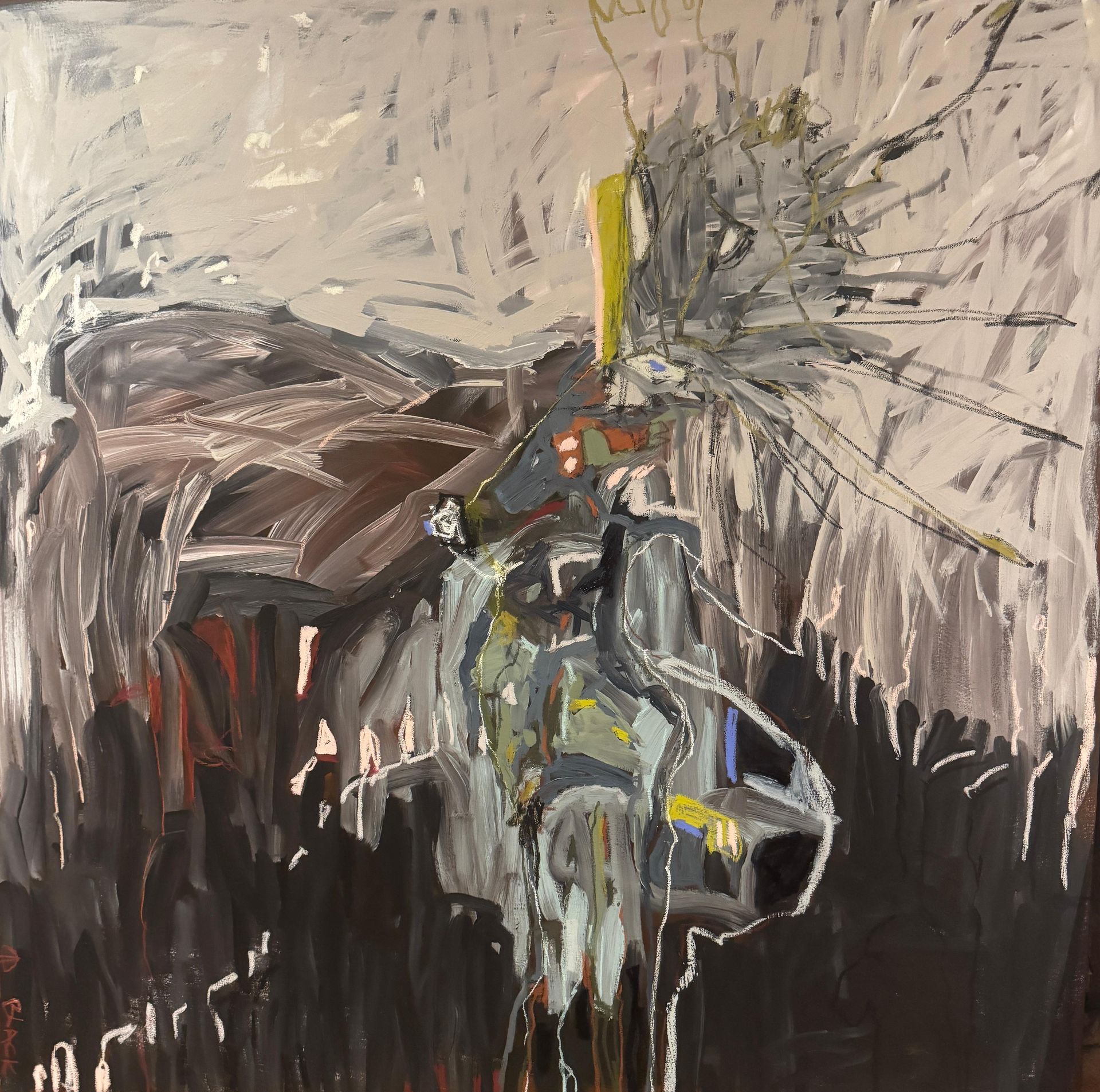
A Body Remembered, A Story That Refused to Stay Silent
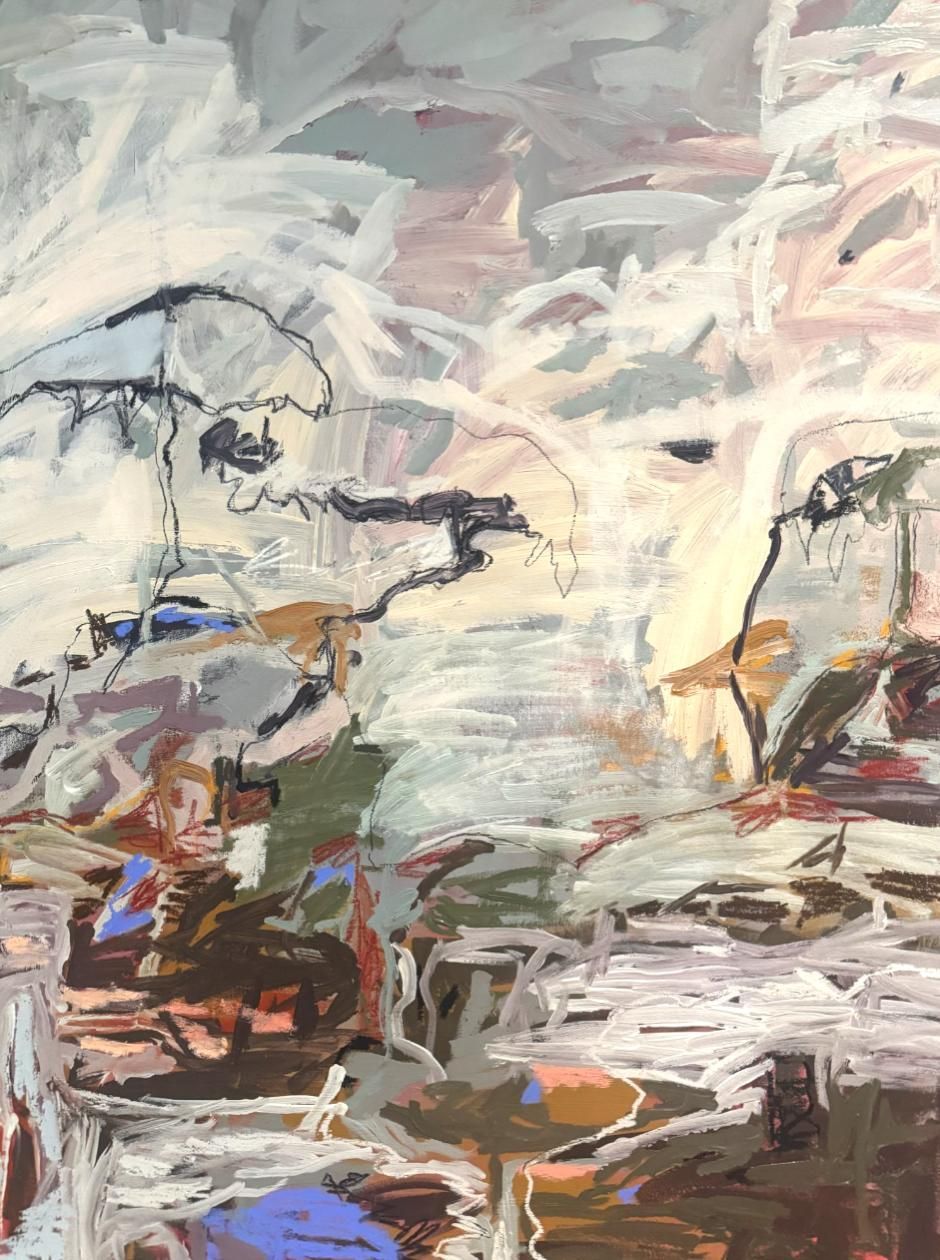
Discover Hello Gorgeous by Bianca Black Art — a contemporary African abstract artwork inspired by Graskop Gorge, folklore, waterfalls, nature, and ancestral storytelling.
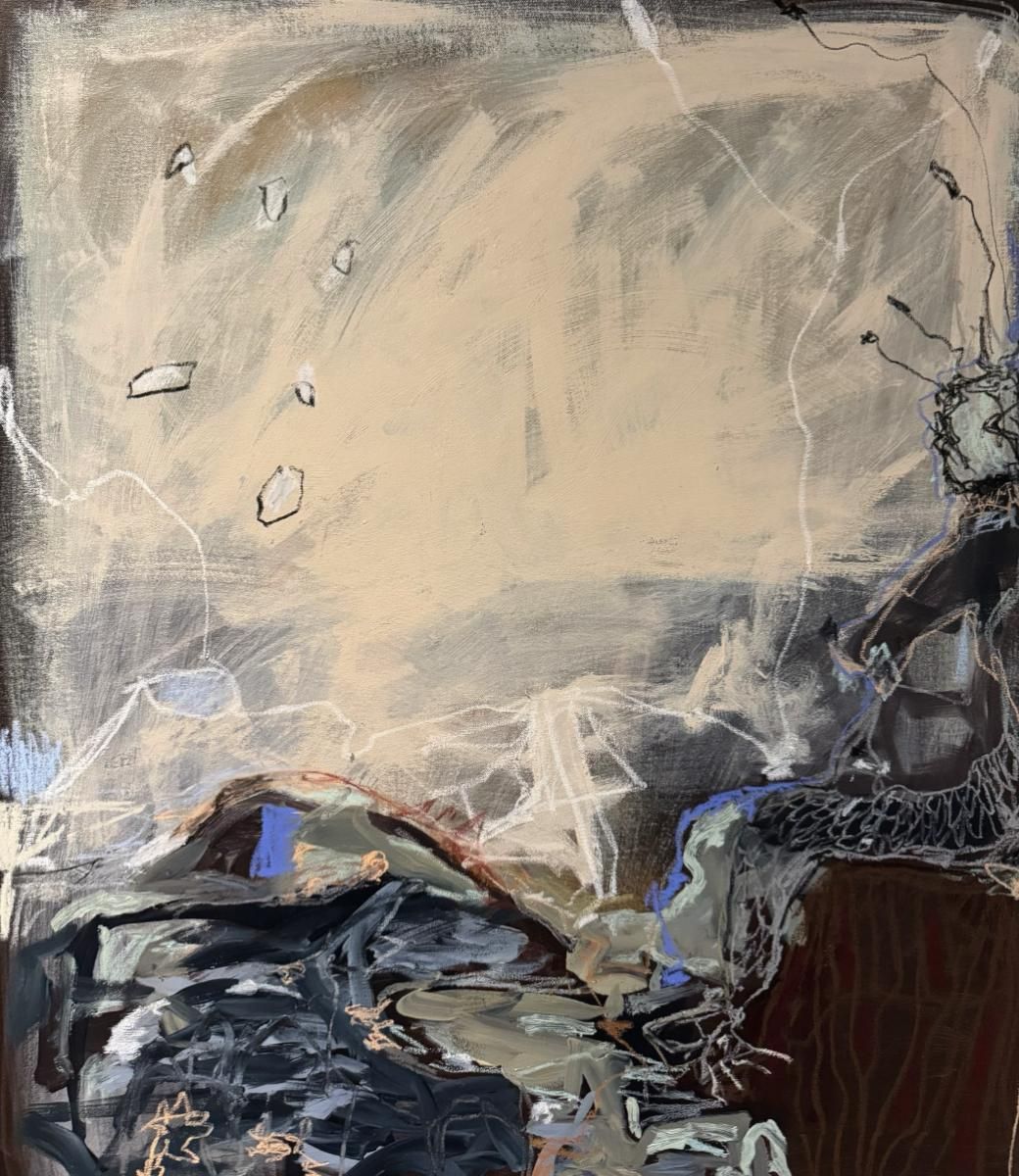
Discover Nzuzu by Bianca Black Art — a contemporary African abstract artwork inspired by Venda mythology, water spirits, folklore, femininity, and ancestral storytelling.
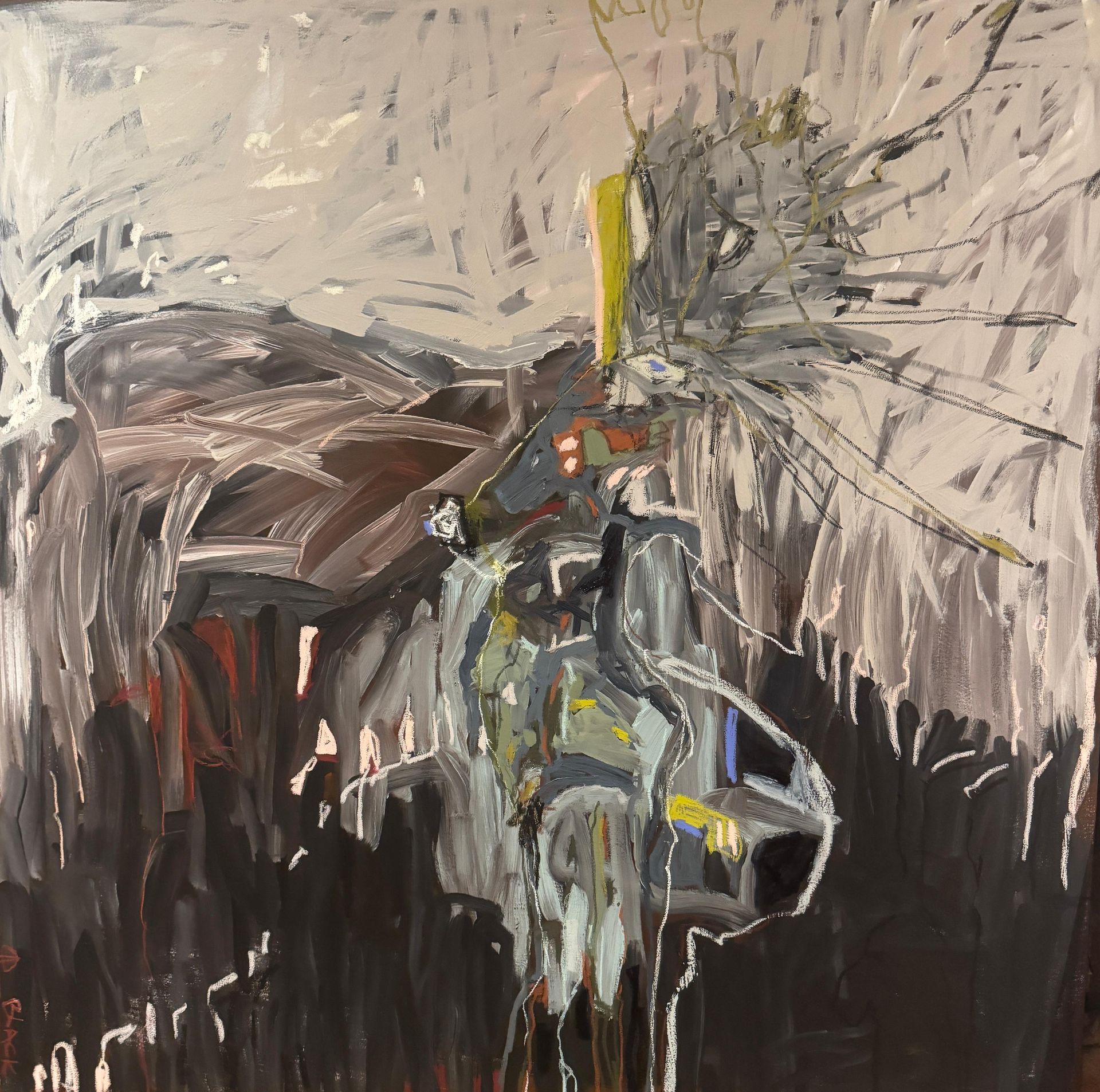
Lore & Legends - Stories That Refuse To Disappear
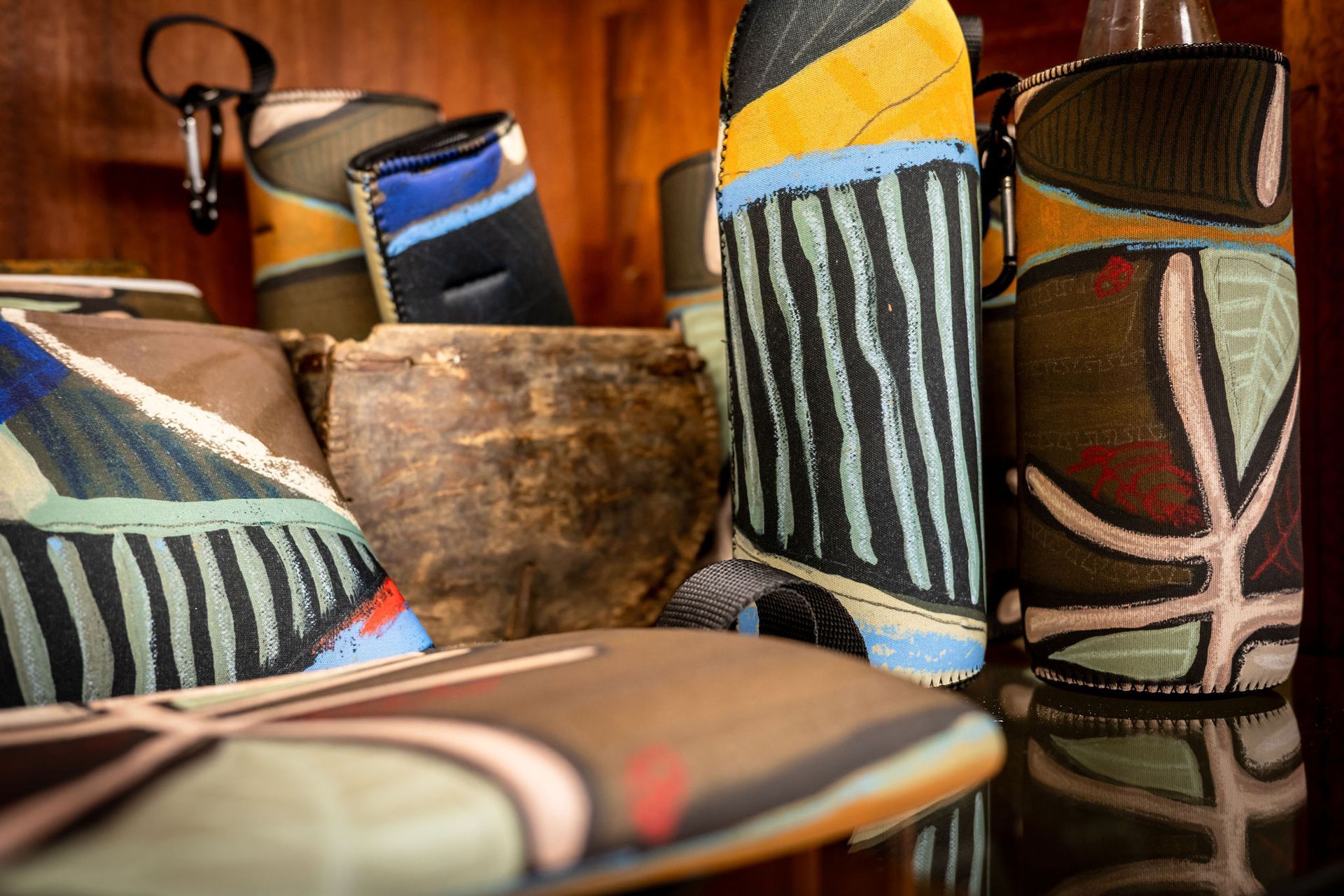
The Unpredictability of Art Sales...
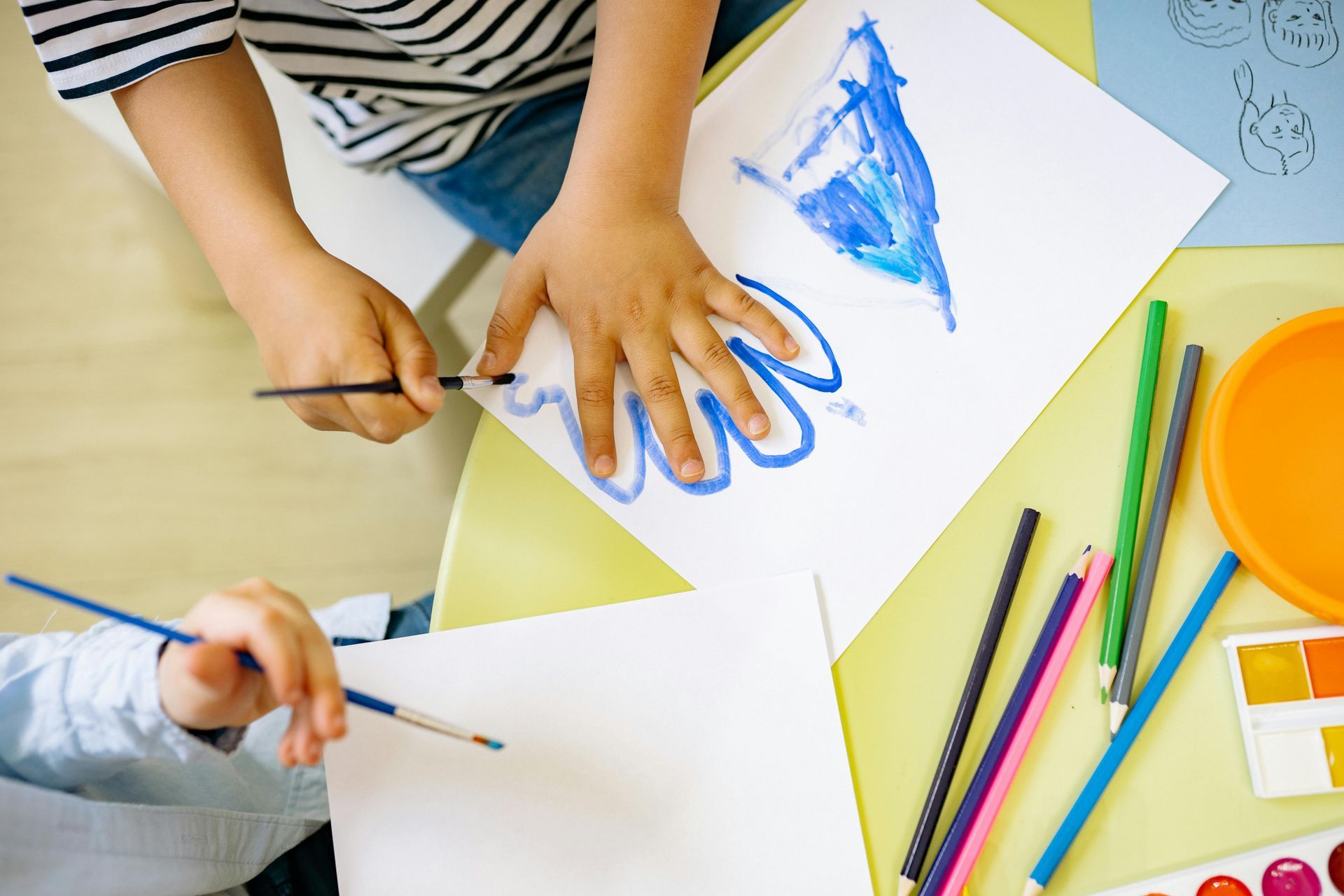
Reclaiming Play in Art
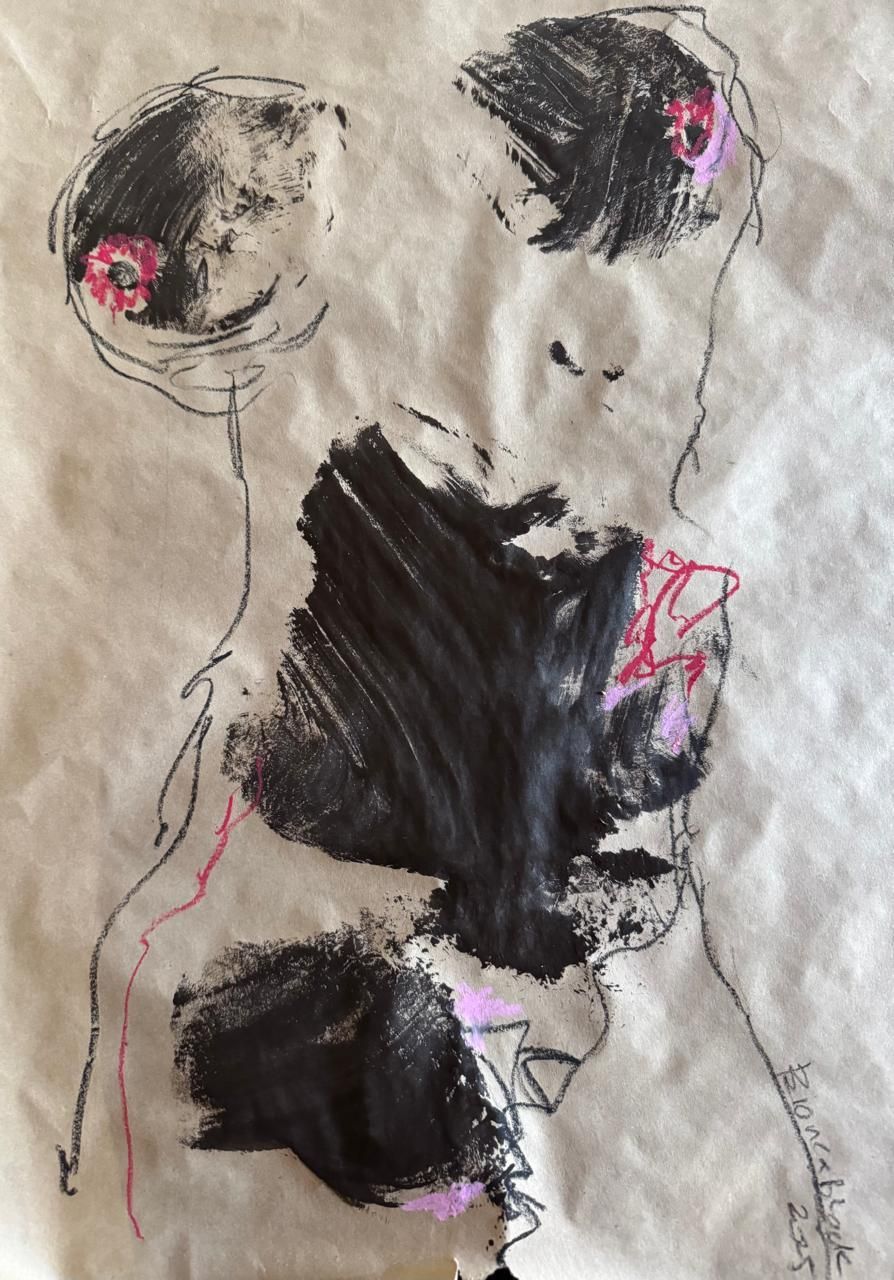
Who says painting is just about hands and brushes?
Turn Childhood into Wonder...
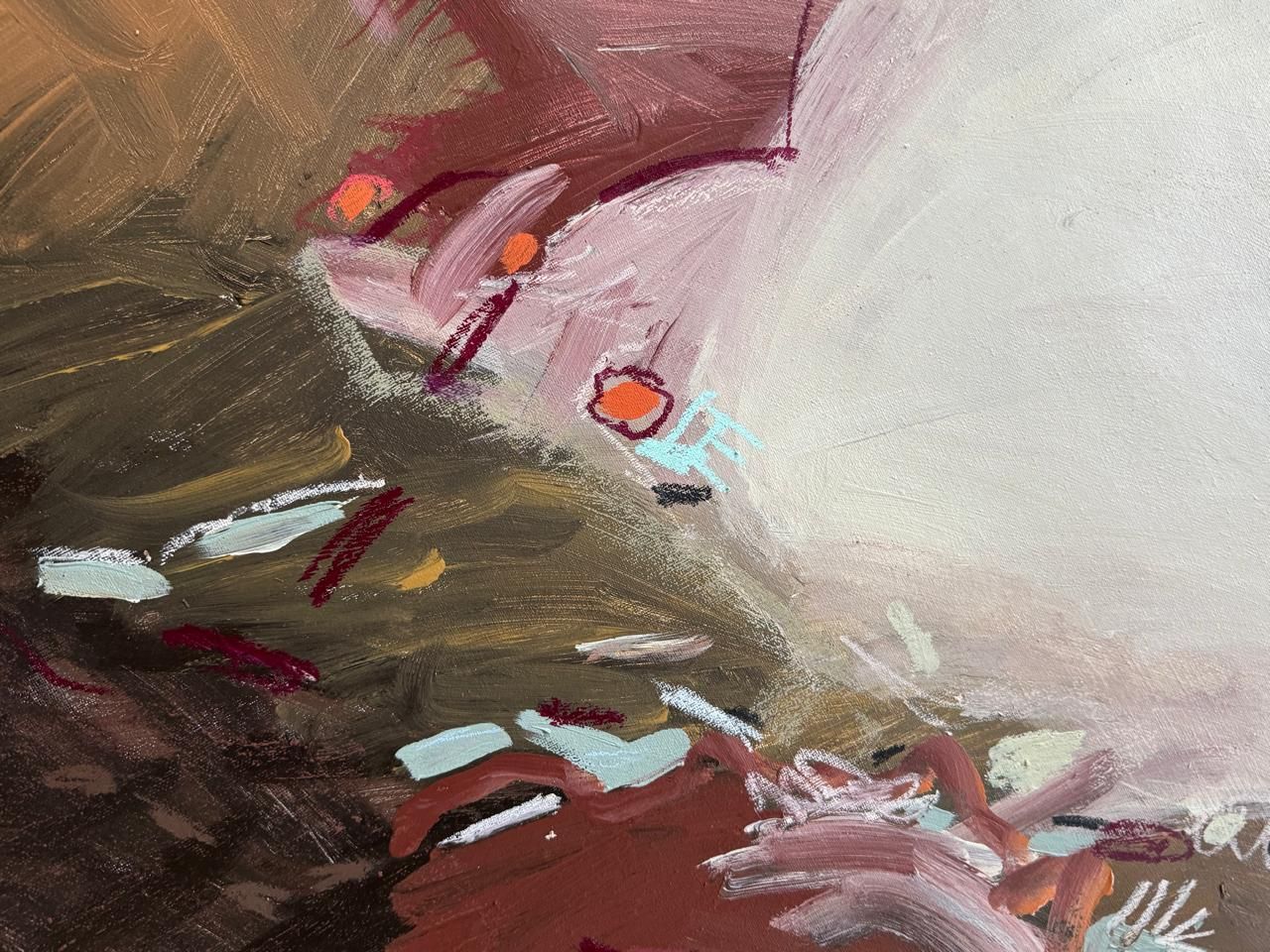
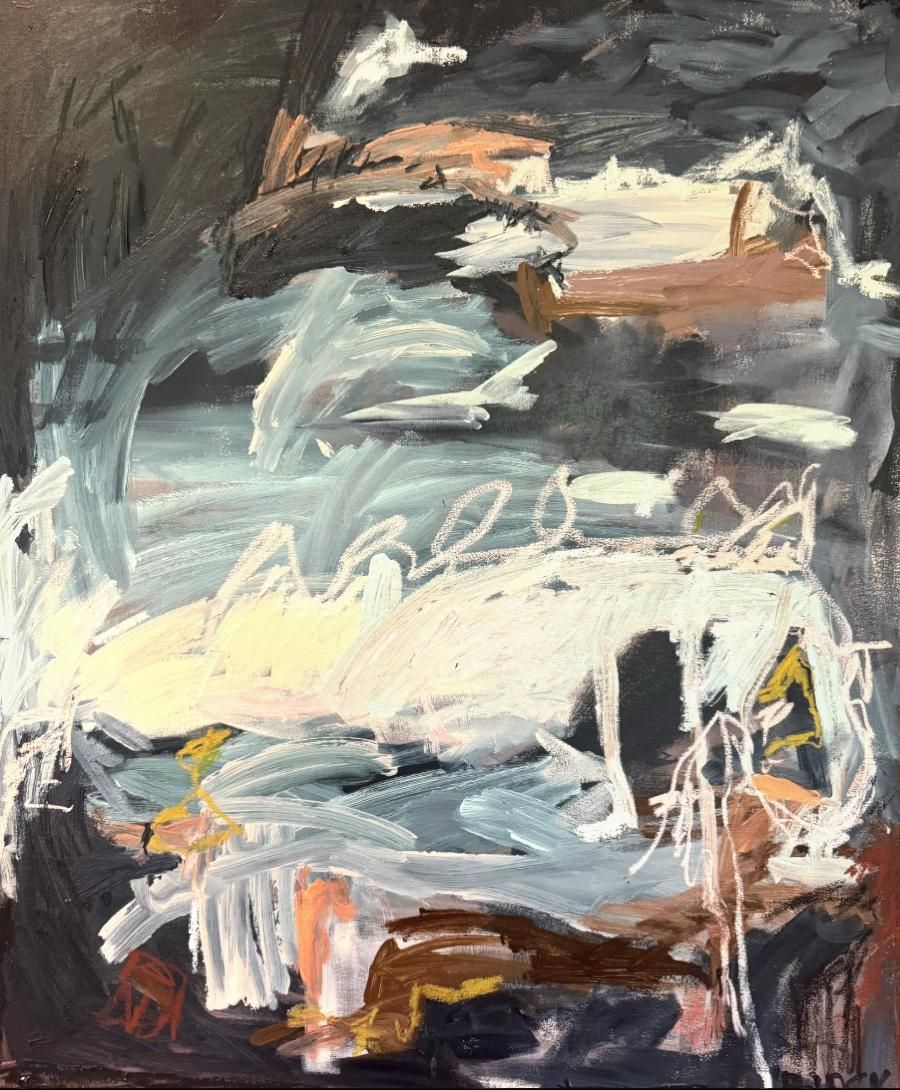
Have you ever gazed at the clouds and spotted a dragon, or looked at the moon and seen a face smiling back? That’s pareidolia—our brain’s delightful tendency to find familiar patterns in random shapes. And in the world of Bianca Black Art, this magical phenomenon turns every painting into a conversation. What one person sees as a cascade of colors, another might see as a dancing figure, a hidden landscape, or a familiar face. This is the beauty of abstract art: it invites you to bring your own stories, your own imagination, and your own unique vision to the experience. In my art, pareidolia is not just welcome; it’s celebrated. It’s a reminder that art isn’t just about what the artist creates; it’s about what you see, feel, and imagine. So next time you look at a painting, let your mind wander, let your imagination play, and see what hidden wonders you can discover.
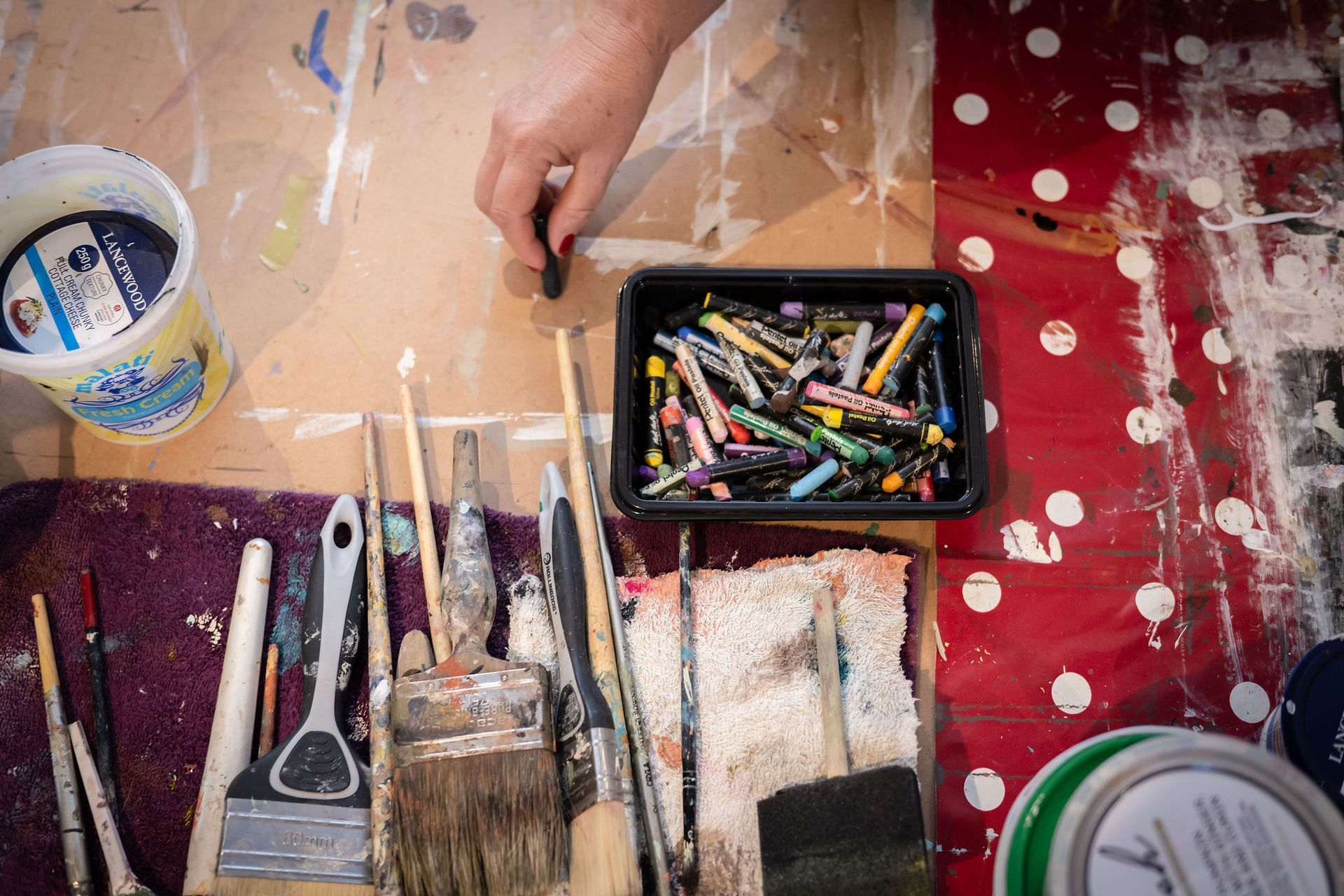
Spoiler: It’s Not the Painting